
Imagination Versus Reality
Straight ManThis flow follows Hank’s habit of converting uncertainty into vivid stories and the moments when real people resist his preferred narratives.
increasing Bearing strength in each event
 decreasing
Bearing strength in each eventdecreasingInvented Affairs

Narrative as Self-Protection
A Husband’s Fantasies
Hank imagines Lily with Teddy, Jacob, and other men. These scenes are more vivid than the evidence in front of him, but he knows they are invented.
The Cost of a Good Plot
He is drawn to betrayal partly because it offers drama and a role for him to play. Yet the stories make it easier to avoid asking Lily what she actually feels.
The Wrong Hotel Call
A Suspicion Fails
Following a Hunch
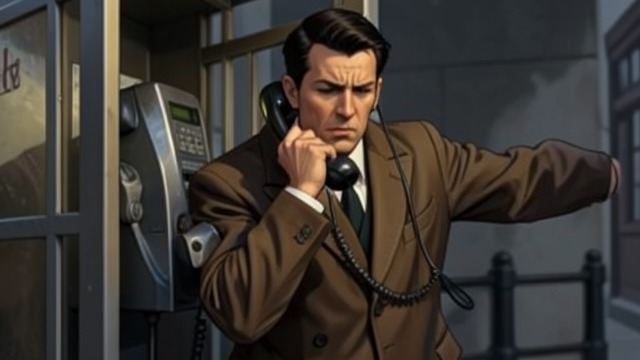
Hank suspects that Lily and Jacob may be together in Philadelphia. He calls a hotel and asks for Jacob under a slightly mistaken name.
Reality Refuses the Plot
The person who answers is not Jacob, and the story Hank imagined collapses. He is disappointed as well as relieved, because a correct intuition would have confirmed his talent for reading people.
The Girl in the Road
A Moment Misread
An Encounter in the Dark
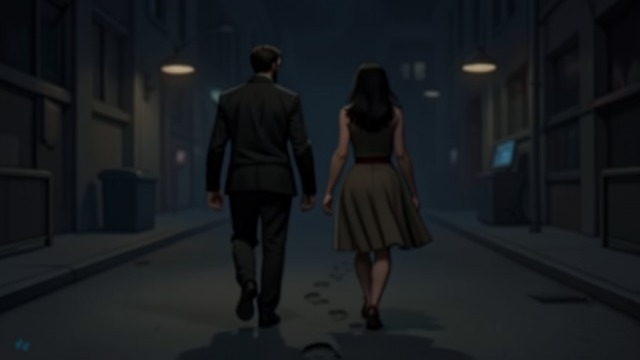
Hank meets a young woman walking uphill and fears her openness more than aggression. She says he is not the man she expected, then continues on her way.
Facts Without Motives
Only later does Hank connect her to Tony’s calls and the disruption at campus. Even after assembling the facts, he cannot know the motives or the inner story behind her actions.
Russell’s Story of the Fall
An Account with Missing Parts
A Difficult Confession
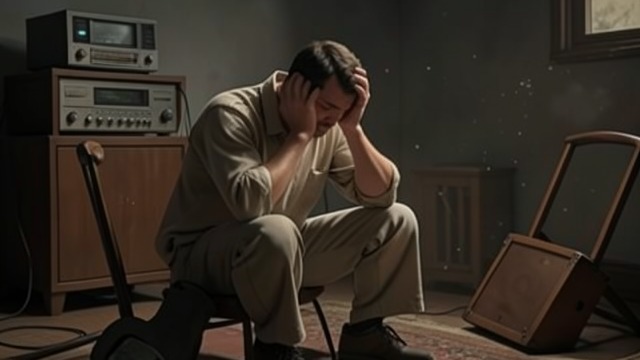
Russell recounts the fight over Julie’s chair and describes how she fell against the stereo cabinet. He tells Hank what he remembers but cannot resolve whether he caused the injury as fully as Julie believes.
No Omniscient Answer
Hank resists turning the account into a neat moral plot. Russell’s shame and affection do not settle responsibility, and the missing details remain part of the story rather than defects Hank can edit away.
A Father’s Tears
The Expected Story Breaks
A Different Kind of Guilt
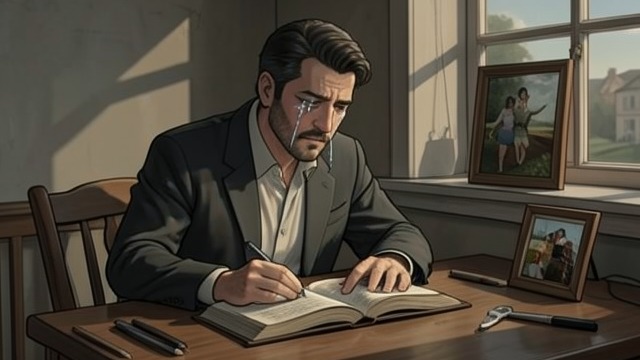
William Henry Devereaux, Sr. cries while describing his regret about Dickens. Hank initially expects the confession to be about the family, but the emotion belongs to a different narrative.
The Limits of Interpretation
Hank can recognize the tears without knowing exactly what they mean. His father’s feeling is real, yet years of abstraction have separated it from the family’s most obvious injuries.
early April, as Lily prepares to leave
the morning after Hank’s night at The Tracks
late Thursday night, after Hank leaves Tony’s house
the night Russell visits Hank’s deck
after Hank and his father visit the abandoned midway
